December 2025 Freight Outlook: What's Shaping Global Ocean Freight
YQN Operation Team | 2025.12.04 | info@yqn.com
As 2025 draws to a close, the global ocean freight market enters December with a mix of stabilizing capacity, regulatory cost pressure, and persistent geopolitical disruptions. For freight forwarders and global shippers, the month is expected to bring both relief and renewed uncertainty, depending on the lane.
The following is a roundup of recent developments likely to impact shipping rates through December and into the new year.
Suez Canal: Capacity Returning, but Stability Will Lag
The most significant development this month is the gradual reactivation of Suez Canal transits after nearly a year of large-scale diversions around the Cape of Good Hope. The industry is entering a transitional period where carriers cautiously reintegrate the Suez into service rotations.
- Maersk confirmed plans to restore Asia–Europe routing via the Suez from early December under a strategic partnership with the Suez Canal Authority.
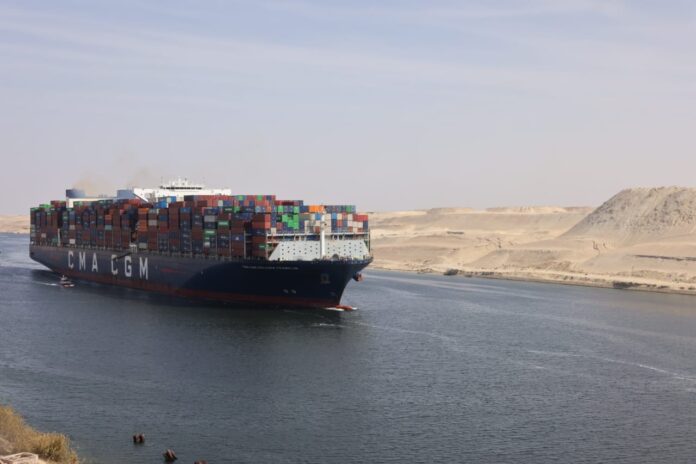
- CMA CGM, operating some of the world’s largest megamax vessels, had already resumed select Suez transits earlier this year. It has already sent CMA CGM Benjamin Franklin and CMA CGM Osiris through the Suez Canal.
- Hapag-Lloyd remains cautious and has not fully resumed but continues to monitor the security and operational environment.
A return to the Suez could cut 10–14 days off Asia–Europe voyages, reducing fuel consumption and restoring vessel schedule reliability. However, the shift will not produce immediate rate stability.Vessel bunching is expected as rerouted ships converge into key Mediterranean and Northern Europe gateways. On the other hand, port congestion risk increases on the Asia–Med and Asia–North Europe corridors due to compressed arrivals. Meanwhile, carriers may temporarily adjust weekly service frequencies or void sailings to rebalance schedules.
As Drewry Maritime Research notes, even with a ceasefire and safe transit, the sudden surge in vessel traffic will require several weeks, potentially months, for global rotations to normalize.
Short-term rate volatility are expected as carriers adjust capacity and reprice following restored Suez Canal operations. We advise forwarders to plan early bookings for December–January, given vessel and equipment repositioning. At the same time, once the system stabilizes, there should be opportunities for improved capacity and lower rates. Staying proactive now can help optimize schedules and costs in the weeks ahead.
Black Sea War-Risk Premiums Surge After Drone Strikes
Geopolitical volatility continues to shape maritime market conditions, with the Black Sea again emerging as a central zone of disruption.
War-risk premiums have risen after Ukrainian naval drones targeted two empty tankers heading to Russia’s Novorossiysk, one of the region’s key oil export terminals. Insurance rates for vessels calling Ukrainian ports have increased to around 0.50% of vessel value, up from roughly 0.40%, while premiums for Russian port calls have climbed to the 0.65–0.80% range, compared with about 0.60% previously.
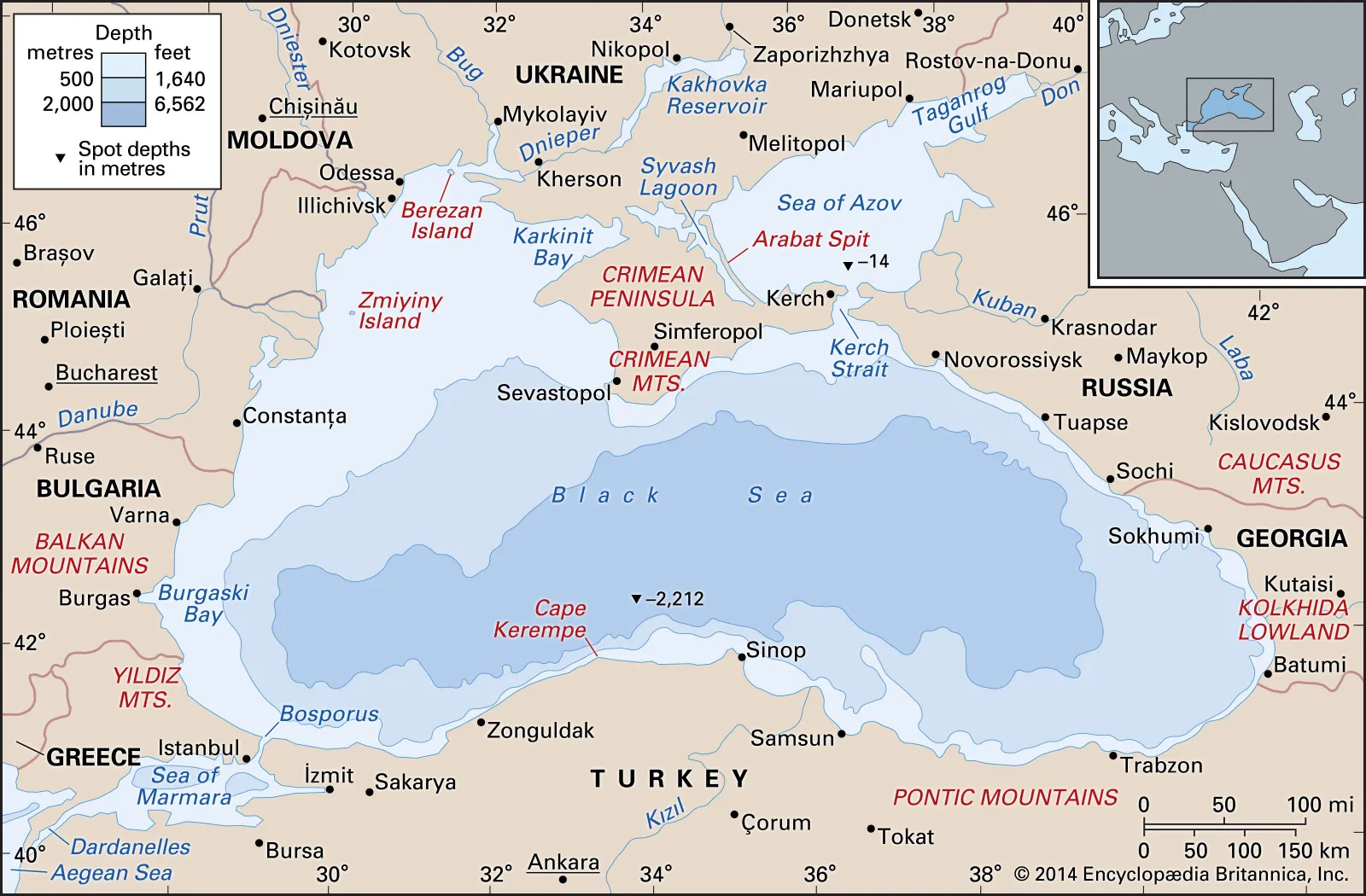
The significance of the Black Sea extends far beyond regional trade. It functions as a critical corridor for global grain flows. Ukraine and Russia together account for roughly 25–30% of the world’s wheat exports, as well as for crude oil, refined petroleum products, fertilizers, metals, and other bulk commodities. Any operational disruption in this area quickly reverberates through agricultural and energy markets worldwide, amplifying price volatility and tightening supply dynamics.
The impact of rising premiums is only part of the broader operational picture. Carriers may limit vessel deployment due to heightened crew safety concerns, while charterers face increased voyage costs and longer lead times. Some operators are already diverting cargoes through alternative routes such as the Danube corridor, which raises the risk of congestion and schedule variability. Shippers moving cargo linked to the Black Sea may also encounter additional insurance surcharges and higher overall risk of delays as vessel operators continually reassess route safety. These developments collectively point to a potential tightening of tanker availability within the region in the weeks ahead.
ONE’s Updated Europe Environment Surcharge Ahead of EU ETS Expansion
Beginning 1 January 2026, Ocean Network Express (ONE) will introduce an updated Europe Environment Surcharge in line with the next phase of the EU Emissions Trading System (ETS).
Under the expanded framework, shipping lines will be required to account for 100% of emissions covered by the scheme, which now includes not only carbon dioxide (CO₂) but also methane (CH₄) and nitrous oxide (N₂O). This expansion reflects the EU’s broader Fit for 55 decarbonization objectives and is expected to increase carriers’ exposure to carbon-allowance costs as the supply of EU Allowances (EUAs) tightens.
ONE has stated that the surcharge will be reviewed and adjusted on a quarterly basis to reflect carbon-market conditions, particularly fluctuations in EUA prices. For shipments originating in China, the environmental cost component will be incorporated directly into freight rates rather than presented as a separate surcharge line.
The EU ETS has rapidly become one of the most significant regulatory cost factors on North Europe and Mediterranean trades. Public carrier announcements and independent modeling show that ETS surcharges vary by vessel class, fuel consumption, routing, and individual carrier methodology.
For shippers moving cargo to the EU, these regulatory developments point toward a structurally higher cost baseline in 2026. Companies may increasingly evaluate modal alternatives for intra-European legs, including rail or short-sea options, as well as explore route-optimization strategies such as transshipment via non-EU ports in order to manage carbon-cost exposure. As carbon-pricing obligations expand and carriers revise their compliance strategies, environmental surcharges and integrated carbon-cost components are expected to remain dynamic throughout the year.
Final Outlook for December 2025 and Beyond
Overall, the freight market enters December with a cautiously improving outlook:
- Asia–Europe lanes: poised for medium-term stabilization as Suez routing resumes.
- Black Sea and energy markets: navigating heightened geopolitical risk.
- EU trades: facing structurally higher costs due to expanded EU ETS compliance.
For forwarders, the month will be defined by proactive planning — early bookings, insurance evaluations, and close monitoring of carrier advisories.
For more logistics news, scan the QR code and follow YQN on WhatsApp Channel. If you have any ocean freight inquiry, you may use our digital tools to search rates or contact us directly at info@yqn.com.