
From China to Pakistan: Moving Laser Cutting Machine with Precision
YQN Operation Team | 2025.12.23 | info@yqn.com
In heavy machinery logistics, success is rarely about speed alone. More often, it is about precision, planning, and the ability to anticipate risks before they become problems. This was exactly the case when we were entrusted with the ocean transportation of laser cutting machines from China to Pakistan, with the heaviest single unit weighing up to 35 tons.
At first glance, the task seemed straightforward: move industrial equipment from point A to point B. In reality, transporting heavy and high-value machinery across international waters requires a carefully coordinated logistics strategy—one that balances cargo protection, operational safety, and compliance at every stage.
Understanding the Cargo: Why Laser Cutting Machines Are Not Ordinary Freight
Laser cutting machines play a critical role in modern manufacturing, particularly in metal processing and industrial fabrication. Their size and weight vary depending on power and configuration, but they typically consist of heavy steel frames, precision optical components, and complex electrical systems.
From a logistics perspective, this combination presents a unique challenge. While the machine’s structural components are extremely heavy, its internal systems are highly sensitive. Excessive vibration, moisture exposure, or improper handling can compromise performance long before the equipment reaches its final installation site.
For this shipment, the single-piece weight of 35 tons immediately placed the cargo in the category of heavy machinery and project cargo, requiring specialized handling and non-standard transportation planning.
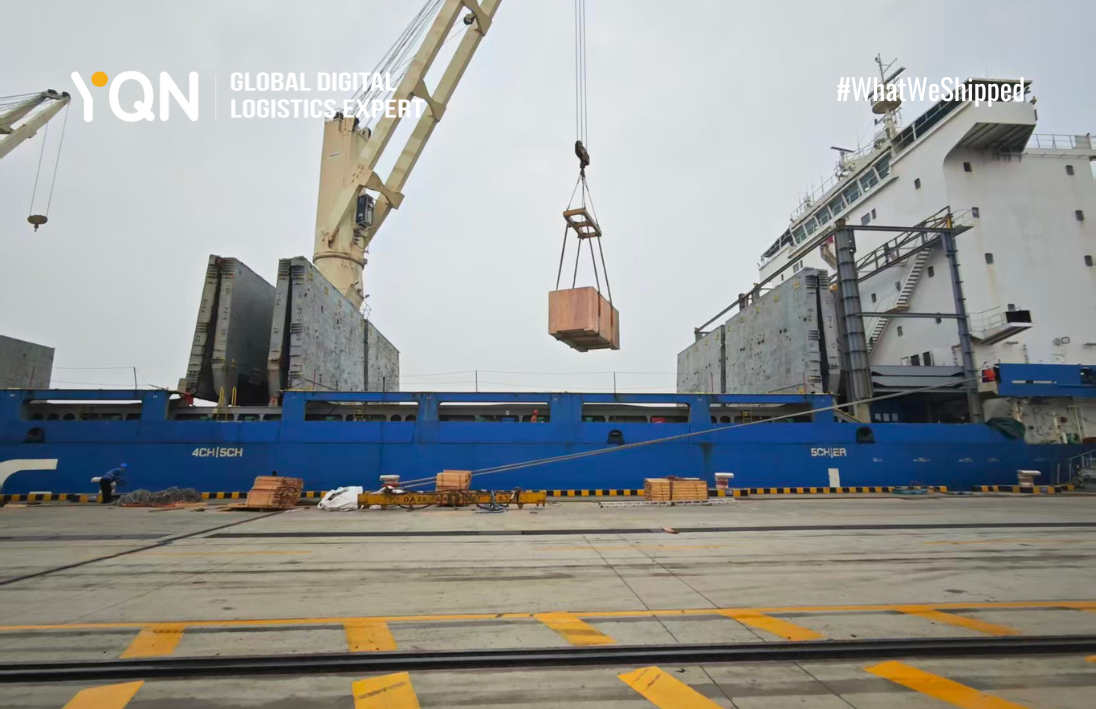
Planning the Ocean Shipment: Managing Weight, Stability, and Risk
Ocean freight remains the most practical solution for long-distance transportation of heavy industrial equipment. However, moving oversized cargo by sea is not simply a matter of loading and sailing.
Before the shipment began, careful consideration was given to several key factors:
- Weight distribution and center of gravity, critical for safe lifting and vessel stowage
- Lifting methods and equipment, ensuring the cargo could be handled safely at ports
- Securing and lashing, to prevent movement during rough sea conditions
- Environmental protection, particularly against humidity and salt air during the voyage
Each step required coordination between multiple parties to ensure seamless execution.
Why Wooden Crate Packaging Made the Difference
One of the most important decisions in this project was the choice of packaging. Given the cargo’s value, weight, and sensitivity, fully enclosed wooden crate packaging was selected instead of open wooden pallets.
Wooden crates provide a rigid structural framework capable of supporting extremely heavy loads while offering complete enclosure. This design protects machinery from external impact, moisture, dust, and corrosion, all of which are common risks during ocean transport.
In addition, wooden crates significantly improve safety during lifting and handling. For heavy machinery, a stable and reinforced base is essential to reduce stress on the equipment and minimize the risk of deformation.
Note that wooden crates should not be confused with wooden pallets. They serve very different purposes in international logistics, especially when transporting heavy machinery. Wooden pallets are designed for standardized, lighter cargo and offer an open structure that allows easy handling and stacking, but they provide limited protection against impact, moisture, and long-distance sea conditions. In contrast, wooden crates fully enclose the cargo, offering superior structural strength, load-bearing capacity, and protection from humidity, dust, and mechanical damage. For heavy, high-value, or sensitive equipment, such as industrial machinery, wooden crates significantly reduce transportation risk and enhance safety during lifting, stowage, and ocean transit, making them the preferred packaging solution for complex shipments.
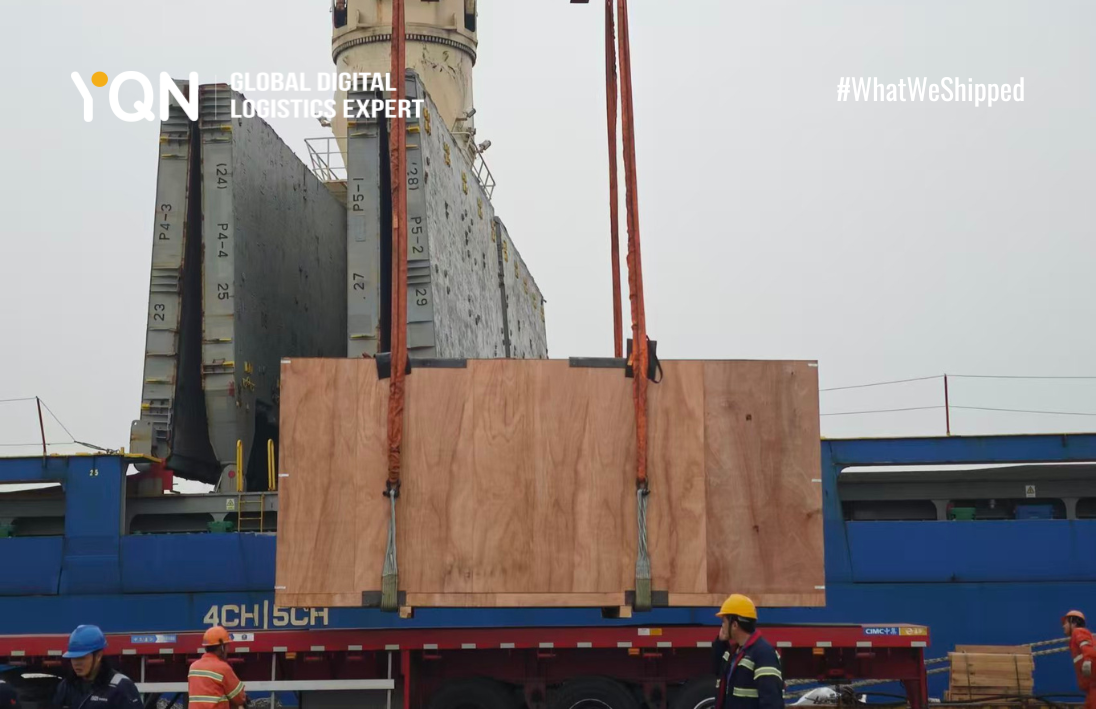
Execution and Delivery: From China to Pakistan
With packaging completed and transportation plans finalized, the laser cutting machine began its journey from China to Pakistan. Throughout the shipment, strict handling procedures were followed to ensure cargo stability and integrity.
Despite the challenges associated with moving single units weighing up to 35 tons, the shipment progressed smoothly. Upon arrival at the destination port, the cargo was safely discharged and delivered without damage or delay.
A Successful Outcome Built on Experience
This project highlights a core truth in heavy machinery logistics: success lies in preparation. From understanding the technical characteristics of the cargo to selecting the right packaging and executing precise ocean freight operations, every decision played a role in the final outcome.
By applying industry best practices and a tailored logistics approach, we successfully delivered complex industrial equipment across borders—proving once again that even the heaviest cargo can be moved with care, control, and confidence.
Whether you’re planning to move industrial machinery, oversized equipment, or complex shipments across borders, YQN is here to support you with tailored ocean freight solutions.
Contact YQN today at info@yqn.com to discuss your project cargo requirements and discover how our logistics experts can help move your cargo safely and efficiently.