
Shanghai Port Congestion: Latest Shipping Delays and Advice
Shanghai Port congestion is again a major issue for exporters, importers and freight forwarders moving cargo through far east. Vessel bunching, weather disruption, yard pressure and peak-season cargo are increasing the risk of delayed departures and higher local operating costs.
This report explains how Shanghai Port congestion can affect your shipments. It covers conditions at Yangshan and Waigaoqiao, the reasons behind schedule changes, and practical ways to reduce the risk of rolled cargo, rejected gate-in, storage charges and trucking delays.
What is causing Shanghai Port congestion?
During the last 2 weeks, yard utilization of Shanghai pot has reached 75%, with vessels waiting an average of 4.4 days to berth. The maximum waiting time at Yangshan port Phase III has hit 12 days, while Waigaoqiao port Phase II is experiencing queues of up to 8 days.
With Typhoon Dolphin (No. 13) approaching, ports may face another closure, which will further exacerbate the ongoing delays.
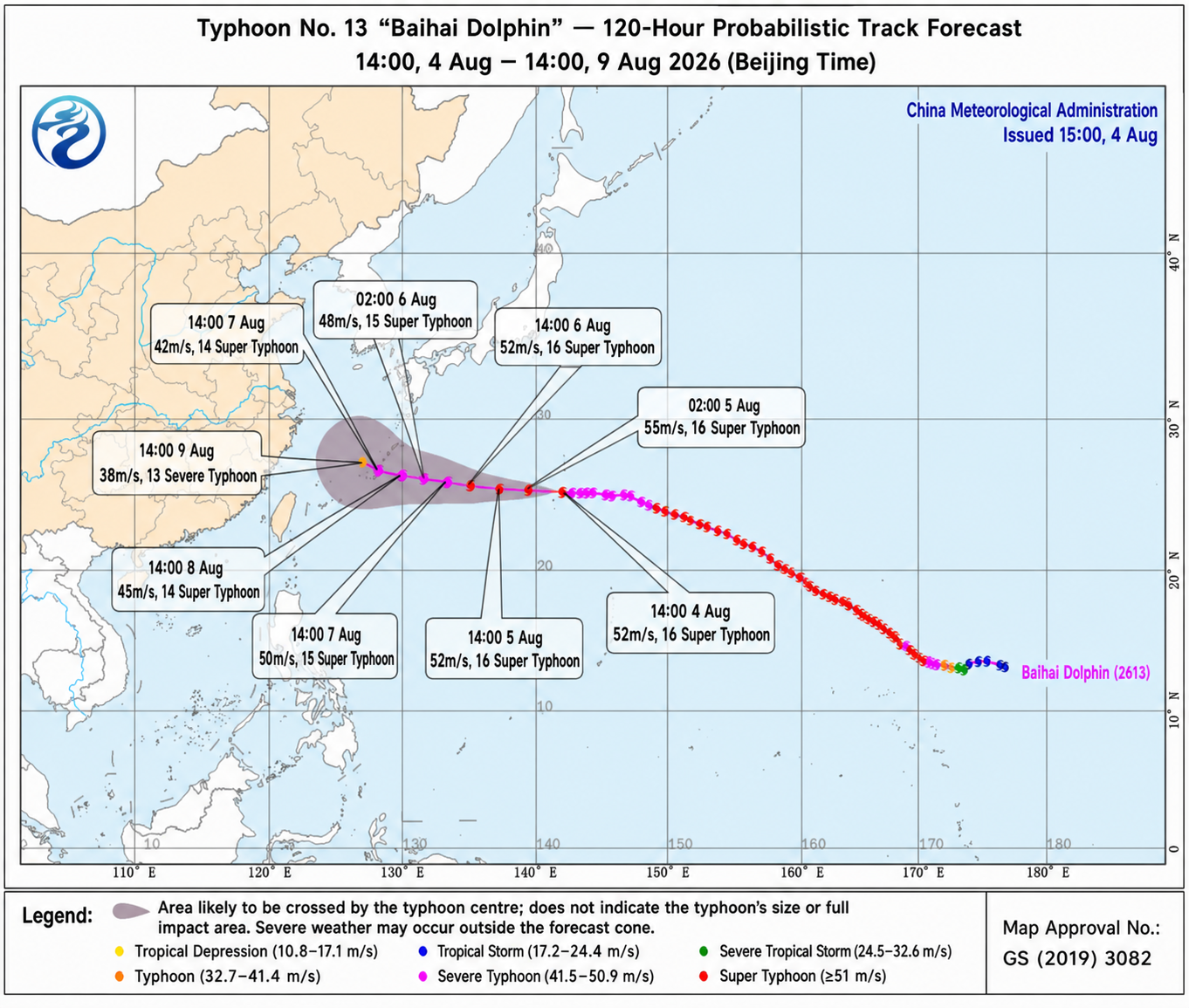
Shanghai Port congestion dashboard
| Area | Current risk | What shippers may experience | Recommended action |
|---|---|---|---|
| Yangshan terminals | High during weather controls | Gate suspension, vessel bunching, delayed ETD | Confirm gate window before trucking |
| Waigaoqiao terminals | High on selected calls | Berth waiting, yard pressure, late cut-offs | Reconfirm terminal and vessel status |
| Shanghai off-dock yards | Elevated | Higher drop-off and storage charges | Secure yard capacity before dispatch |
| Ningbo-Zhoushan connection | Linked risk | Delays can flow between port calls | Build extra buffer into sailing plans |
| South China alternatives | Managed risk | Appointment restrictions may apply | Do not divert cargo without confirmation |
Weather disruption and terminal controls
Typhoon and heavy-weather controls can affect Shanghai Port in several ways. Marine traffic may be restricted, terminal gates may close in stages, and trucking productivity can fall as drivers queue for a limited number of available windows.
The operational notices referenced in the source material reported staged restrictions at Yangshan and Waigaoqiao during an early-August weather event. Yangshan was reported to have earlier restrictions than some inner-port terminals.
For shippers, the important point is simple: a planned gate-in date is not the same as a confirmed gate-in opportunity. Always verify the live terminal instruction, carrier cut-off and trucker appointment before sending a loaded container to the port.
YQN Logistics provides competitive options on shipping from China. Check spot rates with online FCL rate search engine.
Yangshan Port congestion and Waigaoqiao delays
Yangshan and Waigaoqiao serve different terminal networks, vessel strings and trucking patterns. A delay in one location can still affect the other because carriers adjust rotations, skip calls or bunch vessels after disruption.
Hapag-Lloyd previously reported that weather and vessel bunching could create average Yangshan waiting times of about 36 hours for some Gemini services and 24–48 hours for non-Gemini services.
During peak events, delays can be materially longer. Reports in late July indicated that selected non-Gemini calls at Yangshan had waits of up to 144 hours.
That distinction matters. A port may look manageable on an average basis while a specific vessel, terminal or carrier service experiences a much longer delay.
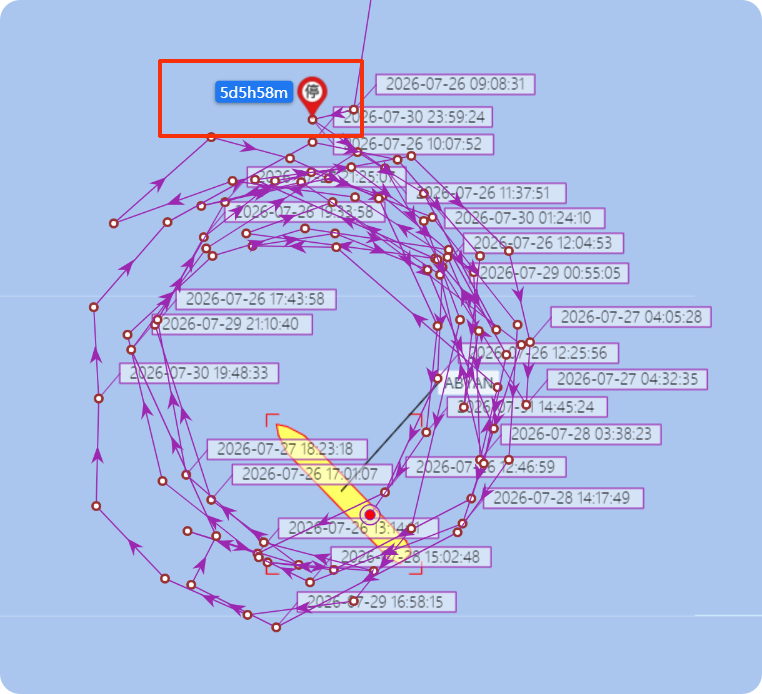
Vessel tracks while waiting at sea, showing looping holding patterns and maze-like routes before berthing.
Why vessel schedules change after congestion
A vessel can recover time only when later port calls have enough flexibility. When Shanghai is delayed, a carrier may shorten port stay, omit a later call, adjust berth sequence or change the next rotation.
This is why Ningbo-Zhoushan schedules can also move when Shanghai is congested. Many Asia–Europe and trans-Pacific services call at both ports. A delayed Shanghai departure can therefore shift Ningbo’s actual departure time, even if Ningbo’s local berth waiting time has improved.
Shippers should use the carrier’s confirmed estimated time of departure, not the original published schedule. This is especially important for time-sensitive cargo, customs filings and cargo connecting to rail, warehouse or final-mile deliveries.
The cost impact: yards, trucking and containers
Port congestion creates cost away from the quay as well as on the water. When terminals restrict early gate-in or carriers change ETD, loaded export containers may need to wait at off-dock yards.
The source material reported that Shanghai drop-off charges rose sharply during the weather-related congestion period. Such levels are local, time-sensitive quotations rather than standard tariffs, but they show how fast costs can move when yard capacity is scarce.
Before dispatching a container, confirm who bears the cost of delayed gate-in, off-dock storage, lifting, re-delivery and empty-equipment repositioning. These charges can be more significant than a small difference in ocean freight.
YQN Logistics provides competitive options on shipping from China. Check spot rates with online FCL rate search engine.
How long could Shanghai Port congestion last?
There is no single answer. The recovery time depends on weather, the number of delayed vessel arrivals, yard utilisation, carrier schedule changes and new export bookings.
A one-day operational interruption can create several days of schedule impact. If vessels arrive in clusters after reopening, berth waiting and yard pressure can remain elevated even when terminal gates are operating normally.
Shippers should plan for a buffer rather than rely on an exact recovery date. For urgent cargo, assess alternative departures, different terminals, or a later sailing with confirmed acceptance instead of booking against an uncertain early vessel.
Practical Suggestion for Shippers
l Confirm the live terminal notice. Check gate-in, empty return and loaded-container acceptance rules with the terminal, carrier and trucking provider on the day of dispatch.
l Work back from the real cut-off. Build customs, VGM, AMS and documentation deadlines around the confirmed port window, not the original sailing schedule.
l Avoid blind early delivery. Arriving before the accepted gate-in window can create a rejected move, yard storage or additional trucking cost.
l Protect cargo quality. Weather-sensitive cargo should be palletised, wrapped and moved to covered storage quickly if a terminal cannot accept the container.
l Communicate delay risk early. Inform overseas buyers when congestion may affect ETD or arrival. Early communication is usually more valuable than a late explanation.
How YQN Logistics can help
YQN Logistics supports exporters with current terminal checks, carrier coordination, alternative sailing options. We help customers manage Shanghai Port congestion with data and first hand information.
Need help reviewing a delayed Shanghai shipment? Chat with our expert on WhatsApp: +44 7873 164583 or email to globalmarketing@yqn.com.
FAQ
1. Is Shanghai Port currently congested?
Congestion changes by terminal, vessel service and week. Public tracking showed a 2.59-day median vessel wait for late July 2026, while operational peak periods and selected calls may experience longer delays.
2. What is the difference between Yangshan and Waigaoqiao congestion?
Yangshan is Shanghai’s deep-water port complex, while Waigaoqiao serves terminals closer to the city. Each has different terminal operations and carrier calls, so congestion can vary between them.
3. Can Shanghai Port congestion cause a skipped port call?
Yes. When a vessel is delayed, carriers may adjust rotations, omit calls or change berth sequence to recover schedule reliability. Always verify the actual vessel plan with your carrier or forwarder.
4. Should I send my container to the terminal early?
Not without confirmation. Early delivery may be rejected if the terminal has an appointment, cut-off or weather-control restriction. Confirm the live receiving window first.